
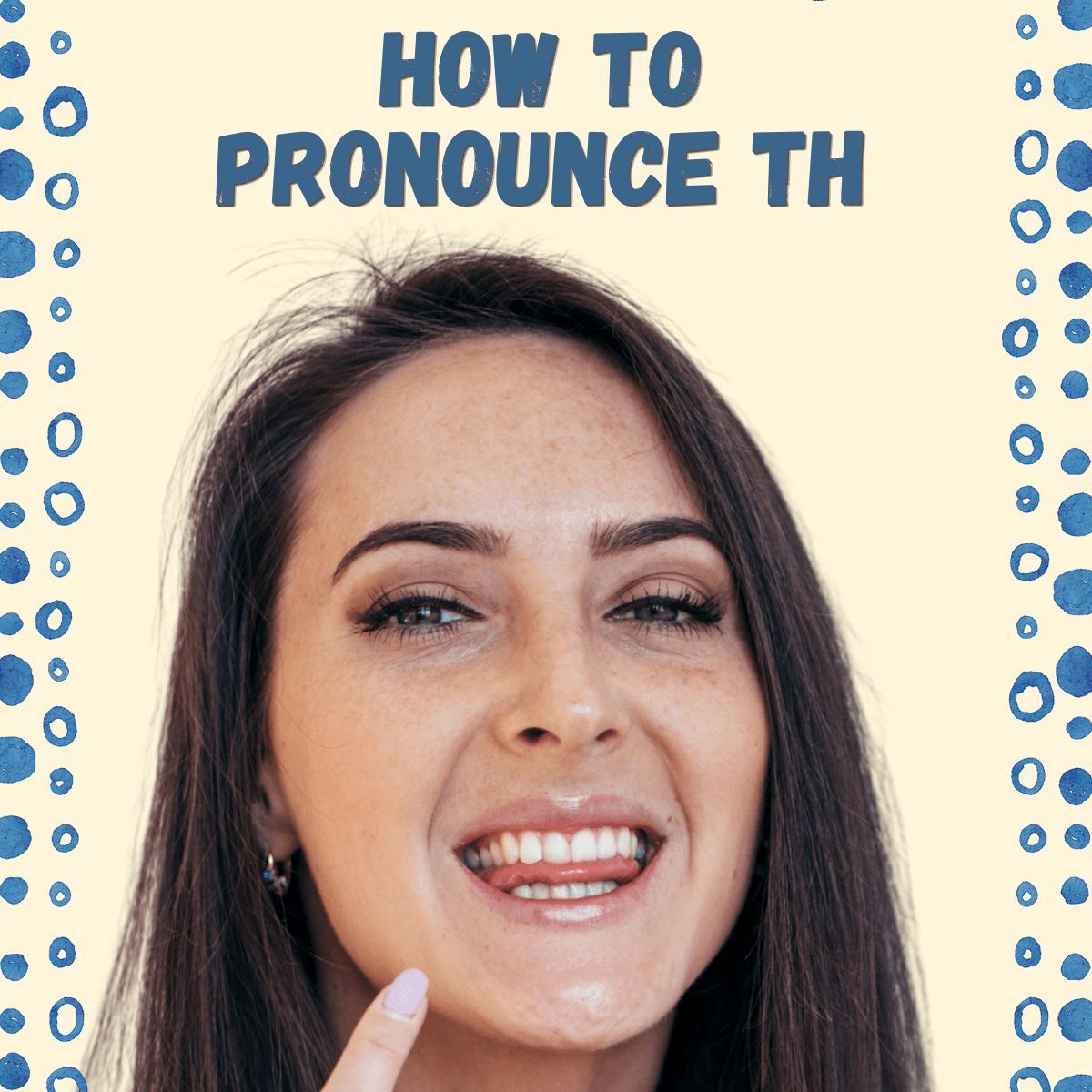
The English /th/ sound is one of the most challenging sounds to master. While many young children need time to develop it correctly, it can also be difficult for adults learning American English—especially if their native language does not include this sound.
If you’re an adult looking to improve your American English pronunciation, my Accent Reduction Training program can help you speak more clearly and confidently. If you’re concerned about your child’s speech development, learn more about my Speech and Articulation Therapy for Children services.
Fortunately, with the right tongue placement and plenty of practice, both children and adults can learn to pronounce the TH sound clearly and confidently.
Common TH Pronunciation Errors
Many English learners substitute other sounds for TH depending on their first language. You may hear:
- /t/ for /th/ (think → tink)
- /d/ for voiced TH (this → dis)
- /f/ for unvoiced TH (three → free)
- /v/ for voiced TH (they → vey)
- /s/ or /z/ substitutions in some languages
These substitutions are very common and completely normal. The key is learning the correct tongue placement and practicing consistently until the movement becomes automatic.
If you’re working on multiple English sounds, you may also find these guides helpful:
- Guide to Pronouncing the R Sound – Learn techniques for producing one of the most challenging sounds in American English.
- V vs. W Pronunciation – Understand the differences between these commonly confused sounds and how to pronounce each one correctly.
- Guide to Pronouncing the S Sound – Improve your S production with practical tips and practice activities.
Together, these resources can help both children and adult English learners build clearer, more confident speech.
How Is the TH Sound Made?
To produce the /th/ sound, gently place the tip of your tongue between your upper and lower front teeth. Allow a steady stream of air to flow over your tongue, creating friction.
Unlike sounds such as /t/ or /d/, the airflow should continue rather than stop suddenly. The /th/ sound belongs to a group of sounds called fricatives, which are produced by allowing air to pass through a narrow opening. Other English fricatives include /f/, /v/, /s/, /z/, /ʃ/ (“sh”), and /ʒ/ (as in measure).
One common concern is that speakers think they must stick their tongue out a great deal. In reality, only the very tip of the tongue needs to lightly touch or extend just beyond the front teeth.
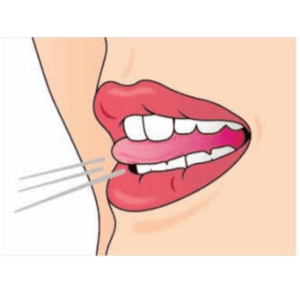
There Are Two TH Sounds
Many people don’t realize that English actually has two different TH sounds.
1. Voiced TH (/ð/)
The voiced TH uses your vocal cords. If you place your fingers on your throat while saying the sound, you should feel a vibration.
Common words with the voiced TH include:
- the
- this
- that
- these
- those
- they
- them
- their
- there
- then
- than
- though
- other
- another
- together
- mother
Tip for Producing the Voiced TH
An easy way to find this sound is to start with the /v/ sound.
- Say “vvvv…”
- While continuing the sound, gently move your tongue from behind your bottom lip to between your front teeth.
- Keep your voice turned on.
You should naturally transition from /v/ to the voiced /th/.
2. Unvoiced TH (/θ/)
The unvoiced TH is produced in exactly the same tongue position, but without using your vocal cords.
You should only hear air flowing—not vibration in your throat.
Common words include:
- think
- thought
- thing
- thank
- three
- through
- thousand
- thirty
- throw
- thin
- thick
- nothing
- anything
- south
- north
- bath
Tip for Producing the Unvoiced TH
Start by making the /f/ sound.
- Say “ffff…”
- While keeping the airflow going, move your tongue gently between your front teeth.
- Continue blowing air without turning your voice on.
This movement naturally changes /f/ into the unvoiced /th/.
Practice Makes Progress
Reading word lists is helpful, but the real goal is to use the TH sound naturally in conversation. Practice by reading aloud, recording yourself, or working with a speech-language pathologist or accent modification coach who can provide feedback.
If you’re looking for printable practice activities, worksheets, and word lists, visit my TH Articulation resources on Teachers Pay Teachers.
If you are an adult working on your American English pronunciation or a parent looking for speech therapy resources for your child, I’d be happy to help. Contact me for a free consultation to learn more about speech therapy and accent modification services.
Continue Improving Your Pronunciation


Pingback: Guide to Producing the “S” Sound - How to Produce it Correctly
Pingback: Guide to Producing the R Sound Correctly